



A country stitched across the water
A journey from Jutland to Zealand crosses two belts of water. The Little Belt takes you from Jutland to Funen; the Great Belt Fixed Link then carries road and rail traffic between Funen and Zealand through a combination of bridges and a rail tunnel. This is useful infrastructure. It also shows how Denmark connects itself through ferries, bridges, ports and short sea passages. Denmark is not one continuous block of land. It is a peninsula and a scatter of islands facing the North Sea and the Baltic, a place where the sea has been a route, a border and a daily presence. [1][2]
Jutland reaches south toward Germany. The islands of Funen and Zealand link the mainland to Copenhagen and the Swedish coast beyond. Smaller islands and coastlines keep the sea close to many towns, although everyday life in inland villages and larger cities has its own pace. These waters have long joined the Danish lands to trade and travel across northern Europe. Today the Great Belt and Øresund bridges make some journeys continuous by road or rail, while ferries remain important on routes where a bridge would not make sense. Geography here is felt through decisions about how to cross, where a port sits and which side of the water a community looks toward. [1][3]

Opened to rail traffic in 1997 and road vehicles in 1998, the eighteen-kilometre Great Belt link joins Halsskov on Zealand with Knudshoved on Funen via the small island of Sprogø, cutting crossing times that once depended on weather and ferry schedules. Along the flat glacial landscapes of Jutland and the islands, moraine hills, chalk cliffs such as Møns Klint, shallow fjords and coastal dunes record how Ice Age glaciers and postglacial seas shaped the ground. In southwest Jutland, the tidal flats of the Wadden Sea shift twice each day with the North Sea tide, sheltering migratory birds and coastal marshes behind dikes. [2][3][4][26]
Denmark’s shores open onto two different maritime worlds. The North Sea meets the western coast; the Baltic Sea lies to the east and links the islands to Sweden, Germany and the wider Baltic region. Their coasts differ in exposure and water conditions, and the straits between them make Denmark a passage between maritime regions. On western Jutland, North Sea weather and coastlines shape a different landscape from the more sheltered eastern shores and island communities of the Baltic. Rather than acting as a barrier around a small country, water has repeatedly placed Denmark in the middle of routes between Scandinavia and continental Europe. [4][22][26]
More than the capital
Copenhagen is the seat of government and the largest city, but it is not a miniature version of the whole country. Its location on Zealand, beside the Øresund, has tied it to maritime commerce and to southern Sweden. The capital’s cultural and state institutions attract national attention. The rest of Denmark is organized through towns and cities with their own roles. Aarhus is a major university and port city on Jutland; Odense is the largest city on Funen; Aalborg looks across the Limfjord in northern Jutland. Central Jutland, North Denmark, South Denmark and Zealand contain different mixes of urban centres, farmland, industry, islands and coast. [1][5]
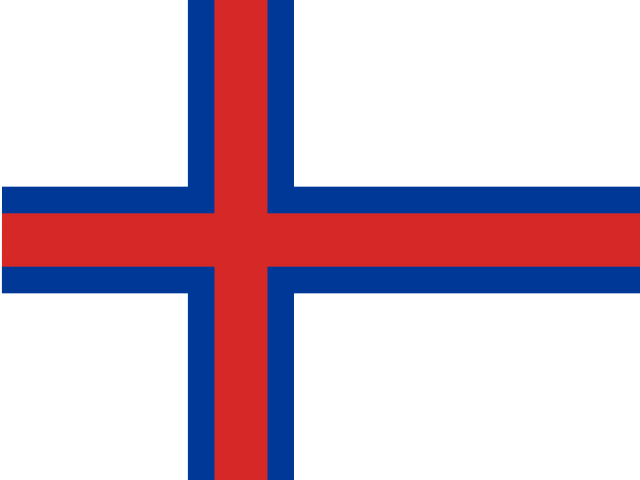
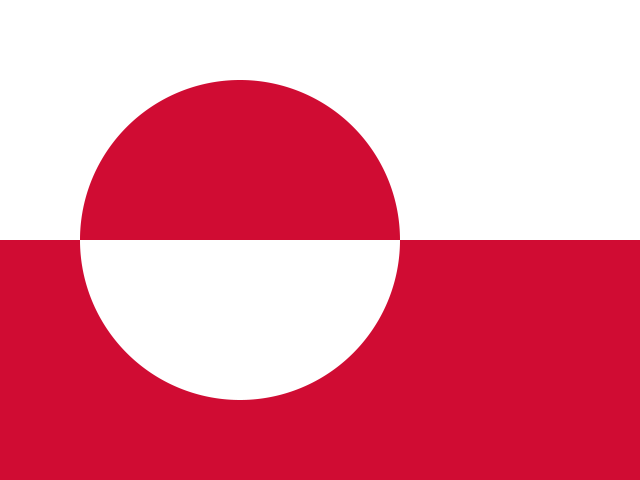
The Danish Realm is larger and more politically complex than the peninsula and islands most people picture. The Faroe Islands and Greenland are part of the Kingdom of Denmark, with extensive self-government and distinct languages, histories and political priorities. Their governments administer many domestic responsibilities; the Danish state retains responsibilities including constitutional matters, nationality, foreign policy, defence and security. Greenland’s Inuit history and Arctic setting, and the Faroese language and North Atlantic island society, cannot be folded into a single story about Danish everyday life. The relationship is a continuing political arrangement among different peoples, not evidence that all parts of the realm share one culture. [6][7]
A kingdom transformed into a democracy
Denmark’s story is often introduced through the Viking Age, but the people and communities of the region existed before the name of a unified kingdom became visible in written records. At Jelling in Jutland, runestones raised by Gorm the Old and his son Harald Bluetooth mark a turning point in how rulers described the kingdom and its adoption of Christianity. The stones speak about power, belief and public memory; they are not a complete account of ordinary life in early Denmark. Viking-age Denmark was also connected to movement, exchange and competition across northern Europe, a wider world than the familiar image of raiding ships. [8][9]

At Jelling, the monumental complex includes two large earthen mounds, a stone church and the carved boulders where Harald Bluetooth proclaimed that he won all of Denmark and Norway and made the Danes Christian. Archaeological sites across the country—from ring fortresses and trading towns such as Ribe and Hedeby to ship burials—show how royal taxation, long-distance trade and fortification consolidated early medieval authority. Across later centuries, Sound Dues collected at Kronborg Castle on the narrow strait at Helsingør turned control of the Baltic sea entrance into a major source of crown revenue until the nineteenth century. [8][9][10]
Maritime power also reached beyond northern Europe. From the seventeenth century, Denmark-Norway established colonies and trading posts in the Caribbean, West Africa and India. Danish ships carried enslaved Africans across the Atlantic to plantations in the Danish West Indies; the National Museum of Denmark estimates about 120,000 were transported on Danish ships. Greenland, too, was under Danish colonial rule from 1721 until 1953, before later home-rule and self-government arrangements. These histories remain part of the modern realm’s politics and public memory, even as Greenlandic and Faroese governments exercise extensive self-government today. [24][25]
For centuries, Danish rulers governed lands and relationships that shifted across the region. The Kalmar Union joined the crowns of Denmark, Norway and Sweden for much of the late medieval period, though political unity was contested and did not erase local identities. Later, wars and changing borders transformed Denmark’s position. The nineteenth century brought a decisive contraction of the state. After Denmark’s defeat in the 1864 war with Prussia and Austria, it lost Schleswig and Holstein; the 1920 plebiscites later returned northern Schleswig to Denmark and set the border that remains today. What is now a relatively compact country carries the memory of a much wider northern kingdom and the difficult work of adjusting to territorial loss. [10][11][15]
In 1849, Denmark adopted a constitution and changed from absolute monarchy to constitutional monarchy. The sovereign remains head of state, while elected representatives and the government exercise political power under parliamentary democracy. An old monarchy continues alongside elections, coalition governments and an active parliament. It gives tradition a place in the state without making royal authority the source of everyday law. [12]
Germany occupied Denmark on 9 April 1940, and occupation continued until May 1945. The early government pursued cooperation to preserve some autonomy. Resistance and sabotage later grew, and German repression intensified. The occupation was not an uncomplicated national story of unity. It involved choices, constraints and moral disputes, including the rescue of most Danish Jews to neutral Sweden in 1943. The island of Bornholm also endured Soviet bombardment in the final days of the war. The period is remembered through both civic action and the compromises forced by occupation. [13][14]
In October 1943, when German occupation authorities moved to deport Denmark’s Jewish population, fishermen, resistance networks and ordinary citizens organized clandestine boat crossings across the Øresund to neutral Sweden, evacuating more than seven thousand Jewish residents and their relatives to safety. After liberation in 1945, Denmark abandoned its older policy of neutrality, joined the United Nations and NATO, and in 1973 entered the European Communities while retaining national opt-outs in later European Union treaties, including keeping the Danish krone rather than adopting the euro. [9][13][14][23]
Across towns and rural parishes, voluntary associations, sports clubs and evening schools known as aftenskoler bring residents together around shared civic, athletic and cultural pursuits throughout the year. [1][16]






Share what you know
Been there, grew up there, or know something we missed? Add a comment; corrections with a source are especially welcome.