


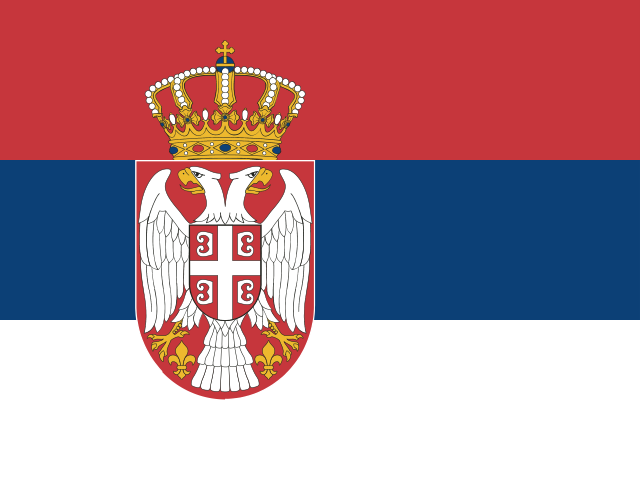

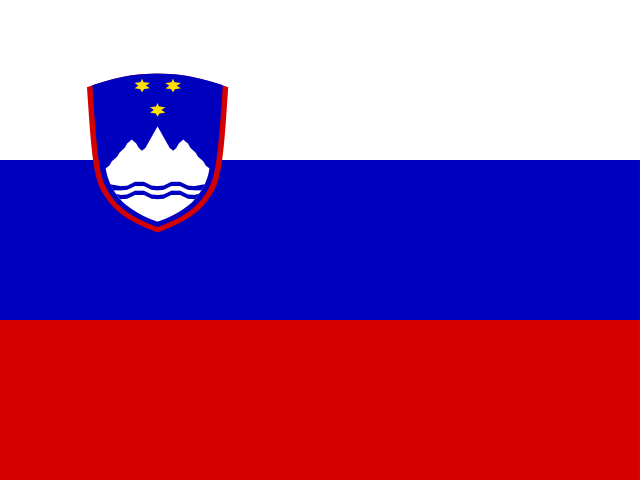


Enclosed within the great geological amphitheater of the Carpathian Mountains, Hungary occupies ninety-three thousand square kilometers at the heart of the Pannonian Basin. Bordered by seven sovereign nations—Slovakia to the north, Ukraine to the northeast, Romania to the east, Serbia and Croatia to the south, Slovenia to the southwest, and Austria to the west—the country is split in two by the majestic southward sweep of the Danube River (Duna). Here, Central European geography shifts from rolling sub-Alpine foothills in Transdanubia (Dunántúl) to the expansive, sky-dominated steppes of the Great Hungarian Plain (Alföld), creating a landscape where fertile loess soils, subterranean thermal rivers, and vast horizons have nurtured human civilization for millennia.
Yet Hungary’s identity is defined above all by its linguistic and historical singularity. While surrounding European populations speak Slavic, Germanic, or Romance tongues, the Hungarian language (magyar nyelv) belongs to the Uralic (Finno-Ugric) linguistic family, sharing distant structural kinships only with Finnish and Estonian thousands of kilometers to the north. In 895 CE, seven Magyar equestrian tribes led by chieftain Árpád crossed the Verecke Pass in the eastern Carpathians—an event remembered in national consciousness as the Honfoglalás (Conquest of the Homeland). Under Saint Stephen (Szent István), crowned with the Holy Crown in the year 1000, Hungary converted to Western Christianity, anchoring an enduring kingdom that defended the eastern frontier of Europe through centuries of Mongol invasions, Ottoman conquests, and Habsburg imperial rule.

The Queen of the Danube: Buda, Pest, and Thermal Geology
At the geographic center of the nation sits Budapest, one of Europe’s grandest river capitals. Formed in November 1873 through the unification of three historically distinct cities—hilly, aristocratic Buda on the western bank, mercantile Pest sprawling across the eastern plain, and ancient Óbuda to the north—the capital is linked by eight road bridges spanning the Danube, most famously the Széchenyi Chain Bridge (Széchenyi lánchíd), whose stone lions have guarded the river crossing since 1849.
On the heights of Castle Hill in Buda, cobblestone alleys wind past the Gothic spires of Matthias Church (Mátyás-templom) and the neo-Romanesque lookouts of Fisherman’s Bastion (Halászbástya), offering sweeping vistas of the river below. Directly across the water rises the monumental Hungarian Parliament Building (Országház), designed by architect Imre Steindl in an extravagant Neo-Gothic style. Stretching 268 meters along the riverbank and crowned by a central Renaissance-inspired dome ninety-six meters high—commemorating the year of the Magyar conquest in 896—the parliament was constructed exclusively with domestic limestone and decorated with forty kilograms of twenty-two-karat gold leaf, housing the sacred Holy Crown of Hungary in its vaulted central rotunda.
Beneath the pavements of Budapest flows an extraordinary geological treasure: the world’s richest network of urban thermal springs. Positioned along a major tectonic fault line where the hills of Buda meet the sedimentary plain of Pest, the earth expels more than seventy million liters of mineral-rich thermal water every single day. Bathing in Budapest is an unbroken cultural tradition dating to Roman Aquincum and deepened during 150 years of Ottoman Turkish rule in the sixteenth and seventeenth centuries. The octagonal pools of the Rudas and Király baths still feature authentic Turkish cupolas pierced with colored glass skylights, while the Neo-Baroque palatial courtyards of the Széchenyi Baths in City Park host hundreds of locals playing floating chess in steaming open-air mineral pools year-round.
Above the baths and boulevards, intellectual life flourished in the grand coffeehouses (kávéházak) of the late nineteenth and early twentieth centuries. Establishments such as the New York Café, Café Gerbeaud on Vörösmarty Square, and the Central Café served as the true literary living rooms of Budapest. Writers, dramatists, and poets belonging to the influential literary journal Nyugat (The West)—including Endre Ady, Mihály Babits, and Dezső Kosztolányi—spent their days writing at marble-topped tables, supplied with endless small coffees (fekete), inkwells, and the daily newspapers of Central Europe. Over slices of multi-layered Dobos torte—a sponge cake layered with chocolate buttercream and capped with hard caramelized sugar—and flaky cherry strudels, Budapest’s intelligentsia debated aesthetics, social reform, and modernist philosophy, forging a lively urban cafe culture that rivals Vienna or Paris.
Just north of Budapest, the river enters the dramatic horseshoe gorge of the Danube Bend (Dunakanyar), where the water carves through the volcanic peaks of the Visegrád and Börzsöny mountains. Guarding this strategic passage sits the medieval Citadel of Visegrád, where King Charles Robert hosted the historic Congress of Visegrád in 1335 with the kings of Bohemia and Poland—a summit that established early Central European commercial cooperation and gave its name to the modern Visegrád Group (V4) alliance. Upriver stands Esztergom, the seat of the Catholic Primate of Hungary, dominated by the colossal neoclassical Esztergom Basilica, the largest church in Hungary, gazing serenely across the river toward Slovakia.
The Golden Nectar: Tokaj and Volcanic Terroir
In the northeastern corner of Hungary, where the Zemplén Mountains meet the northern plain, lies the historic Tokaj Wine Region (Tokaji borvidék). Formally delineated in 1737 by royal decree of King Charles III of Hungary—establishing the world’s very first codified appellation system, decades before Bordeaux or Chianti—Tokaj’s viticultural landscape is inscribed on the UNESCO World Heritage list.

The exceptional terroir of Tokaj is a product of volcanic geology and distinctive autumn microclimates. The slopes consist of volcanic rhyolite tuff, andesite, and loess, which store daytime summer heat and release it slowly at night. In autumn, morning mists rising from the confluence of the Tisza and Bodrog rivers blanket the hillside vineyards, followed by warm, dry afternoon sun. These specific climatic conditions promote the growth of the beneficial fungus Botrytis cinerea (“noble rot” or nemesrothadás), which pierces the skins of ripe Furmint and Hárslevelű grapes, evaporating water and concentrating natural sugars, tartaric acids, and complex aromatic compounds.
During harvest, pickers individually select shriveled, raisined grapes (aszú berries) by hand in wooden tubs known as puttony. The crushed aszú paste is steeped in base wine and aged for years in deep labyrinthine cellars carved directly into volcanic tuff rock, where walls are covered in thick black coats of cellar mold (Zasmidium cellare) that regulates atmospheric humidity. The resulting wine, Tokaji Aszú—sweet, amber-hued, and balanced by searing volcanic acidity—was famously hailed by King Louis XIV of France as “the wine of kings, and the king of wines,” coveted by Russian Tsars, Habsburg emperors, and European composers for centuries.
The Hungarian Sea: Lake Balaton and Transdanubia
In western Hungary lies Lake Balaton, affectionately known across the land as the “Hungarian Sea” (Magyar tenger). Measuring seventy-seven kilometers in length and covering five hundred and ninety-four square kilometers, Balaton is Central Europe’s largest freshwater lake. Because its waters are relatively shallow—averaging only three meters in depth—the lake warms quickly in summer, developing a pale milky-green hue caused by dissolved calcium and mineral carbonates.

The two shores of Balaton offer sharply contrasting geographic characters. The northern shore is defined by the Balaton Uplands National Park, where extinct basalt volcanic hills—such as Badacsony and Szent György Hill, sculpted into colossal columnar organ pipes of cooled lava—rise steeply above terraced vineyards producing crisp, mineral Olaszrizling white wines. Protruding into the lake is the Tihany Peninsula, crowned by a Benedictine Abbey founded in 1055 by King Andrew I. The abbey’s founding charter contains the oldest surviving written sentences in the Hungarian language, preserved amidst Latin text. The southern shore, by contrast, features broad sandy beaches and resort towns like Siófok, where holidaymakers sail, swim, and cycle the continuous two-hundred-kilometer cycling circuit encircling the lake.
Near the western tip of Balaton lies Lake Hévíz, the world’s second-largest thermal lake suitable for biological bathing. Fed by a subterranean mineral spring discharging water at thirty-six degrees Celsius, the lake is perpetually carpeted in floating pink Indian water lilies, its sulfurous and peat-enriched mud utilized since Roman times for musculoskeletal therapies.
The Endless Horizon: Hortobágy and the Puszta Soul
East of the Tisza River stretches the Great Hungarian Plain (Nagyalföld), culminating in the iconic steppe of the Hortobágy National Park. Covering more than eighty thousand hectares, Hortobágy preserves the largest unbroken native alkaline grassland (puszta) in Central Europe, inscribed by UNESCO as an intact cultural landscape of pastoral heritage.
For thousands of years, the Puszta was shaped by traditional pastoralists grazing hardy native animal breeds: grey longhorn cattle (magyar szürke marha) with sweeping lyre-shaped horns, spiral-horned Racka sheep, Mangalica curly-haired woolly pigs, and Nonius horses. The horsemen of the puszta, known as csikós, became legendary across Europe for their bareback equestrian acrobatics, riding in sweeping blue linen shirts (bő ujjú ing) and practicing the famous Puszta ötös—where a rider stands balanced with one foot on the backs of two galloping horses while driving three more horses ahead with long leather whips.
The symbol of Hortobágy is the Nine-hole Bridge (Kilenclyukú híd), a graceful neoclassical stone bridge erected in 1833 to facilitate livestock drives across seasonal marshlands. The vast steppe is punctured by tall wooden sweep-wells (gémeskút), whose counterbalanced arms served historically as an early optical telegraph system, with herders positioning bucket poles at specific angles to signal the approach of storms, visitors, or rustlers across kilometers of flat grassland. During the shimmering heat of midsummer afternoons, the puszta air produces the délibáb—a striking optical mirage that makes distant trees and church steeples appear to float serenely above phantom lakes.
Flavors of the Kettle: The Red Gold of Paprika and Gulyás
The Hungarian kitchen is defined by the aroma of lard, yellow onions, and above all, ground red paprika (fűszerpaprika). Although chili peppers were originally brought to Europe from the Americas by Spanish caravels, it was in the sun-drenched southern river plains around Kalocsa and Szeged that Hungarians perfected the cultivation, drying, and stone-milling of sweet and hot pepper varieties, transforming red powder into the undisputed soul of national cuisine.
The national dish, gulyás (goulash), takes its name directly from the cattle herders (gulyások) who cooked simple, robust stews over open wood fires in iron kettles (bogrács) on the puszta. Authentic Hungarian gulyás is not a thick stew, but a rich, aromatic meat soup: tender cubes of beef shank or chuck are browned in pork lard with finely minced onions, simmered with sweet noble paprika, caraway seeds, garlic, potatoes, carrots, and miniature hand-pinched egg noodles known as csipetke. At the table, diners adjust the heat with paper-thin slices of fresh, fiery green wax peppers (erős paprika).
Related culinary pillars include pörkölt, a thick, rich ragout of beef, pork, or venison simmered in a reduced onion-paprika gravy; paprikás csirke, tender chicken simmered in a velvety paprika sauce enriched with tangy sour cream (tejföl) and served over tender dumpling noodles (nokedli); and halászlé, a fiery red fisherman’s soup prepared along the Danube and Tisza rivers with river carp and catfish, simmered with colossal amounts of hot ground paprika until the broth turns deep ruby-red.
The Musical Mind: From Liszt and Bartók to the Modern Crossroads
Hungary’s contributions to global culture, science, and intellect are astonishingly broad for a nation of fewer than ten million people. In music, Hungarian composers achieved an exquisite synthesis between classical European form and authentic peasant folk melodies. Franz Liszt electrified nineteenth-century concert halls with his fiery Hungarian Rhapsodies; in the early twentieth century, Béla Bartók and Zoltán Kodály traversed remote mountain villages with phonograph cylinders, transcribing thousands of ancient modal peasant folk songs, pioneering modern ethnomusicology, and developing classical masterpieces that revolutionized modern orchestral rhythm and harmony.
In science, the Hungarian gymnasium education system produced a constellation of visionary twentieth-century minds: physicists Leó Szilárd, Eugene Wigner, and Edward Teller; mathematician John von Neumann, the father of modern computer architecture and game theory; and Katalin Karikó, whose foundational biochemistry research on modified mRNA paved the way for COVID-19 vaccines, earning her the 2023 Nobel Prize in Physiology or Medicine.
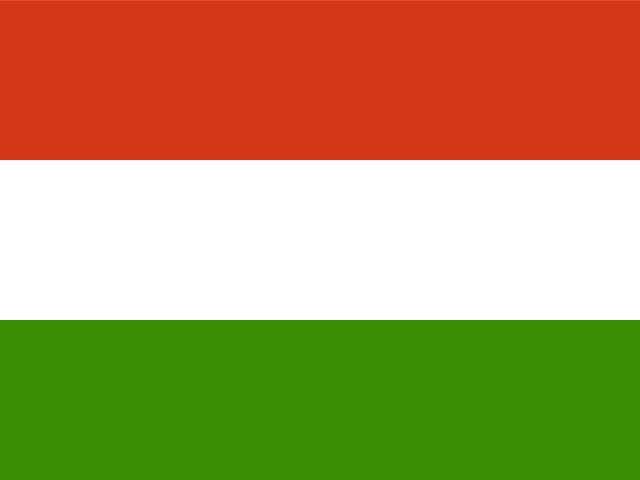
The twentieth century also demanded deep political courage. In October 1956, university students and factory workers in Budapest launched a spontaneous nationwide revolution against Soviet military occupation and Stalinist repression. For twelve days, citizens fought Soviet armored columns in the streets around the Corvin Cinema and the Hungarian Radio building before the rebellion was brutally crushed by tanks. Today, the national flag with a circular hole cut out of its center—where the hated communist emblem was torn away in 1956—serves as the enduring national emblem of steadfast courage and civic liberty.
Today, Hungary stands at a complex geopolitical and cultural crossroads within the European Union, vigorously debating national identity, institutional governance, and traditional family structures while celebrating its deep historical roots. Through turbulent centuries of border shifts, revolutions, and geopolitical transformations, the Magyar nation has preserved an unbroken spiritual core: in the thermal steam rising from Roman baths into winter air, in the violin strains of the csárdás echoing through rural village taverns, and in the noble sweet wine quietly aging in the dark volcanic cellars of Tokaj. Anchored in the great bowl of the Carpathians, Hungary moves forward with pride in its ancient language and unyielding creative genius.






Share what you know
Been there, grew up there, or know something we missed? Add a comment; corrections with a source are especially welcome.